
Two series of spectinomycin analogs – spectinamides and aminospectinomycins
STD + MDR/XDR TB
Novel analogs of known antibacterial class (G+/G-)
Preclinical
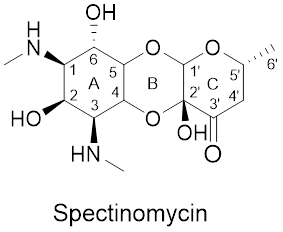
- Novel analogs of the antibiotic spectinomycin, a member of the
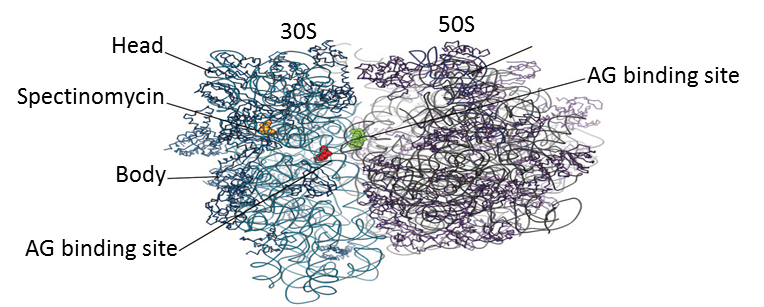
aminoglycoside antibiotic family - Act via inhibition of protein synthesis binding to the 30S ribosome in a
site unique among protein synthesis inhibitors
Spectinamides
- Novel semisynthetic spectinomycin analogs with narrow-spectrum
antitubercular activity have shown promise against multidrug-resistant (MDR)
and extensively drug-resistant (XDR) tuberculosis. - Demonstrated potent inhibition of MDR/XDR TB.
- Excellent in vitro activity with no cross-resistance to other TB agents.
- Demonstrated efficacy in multiple in vivo models of TB infection.
MDR/XDR TB
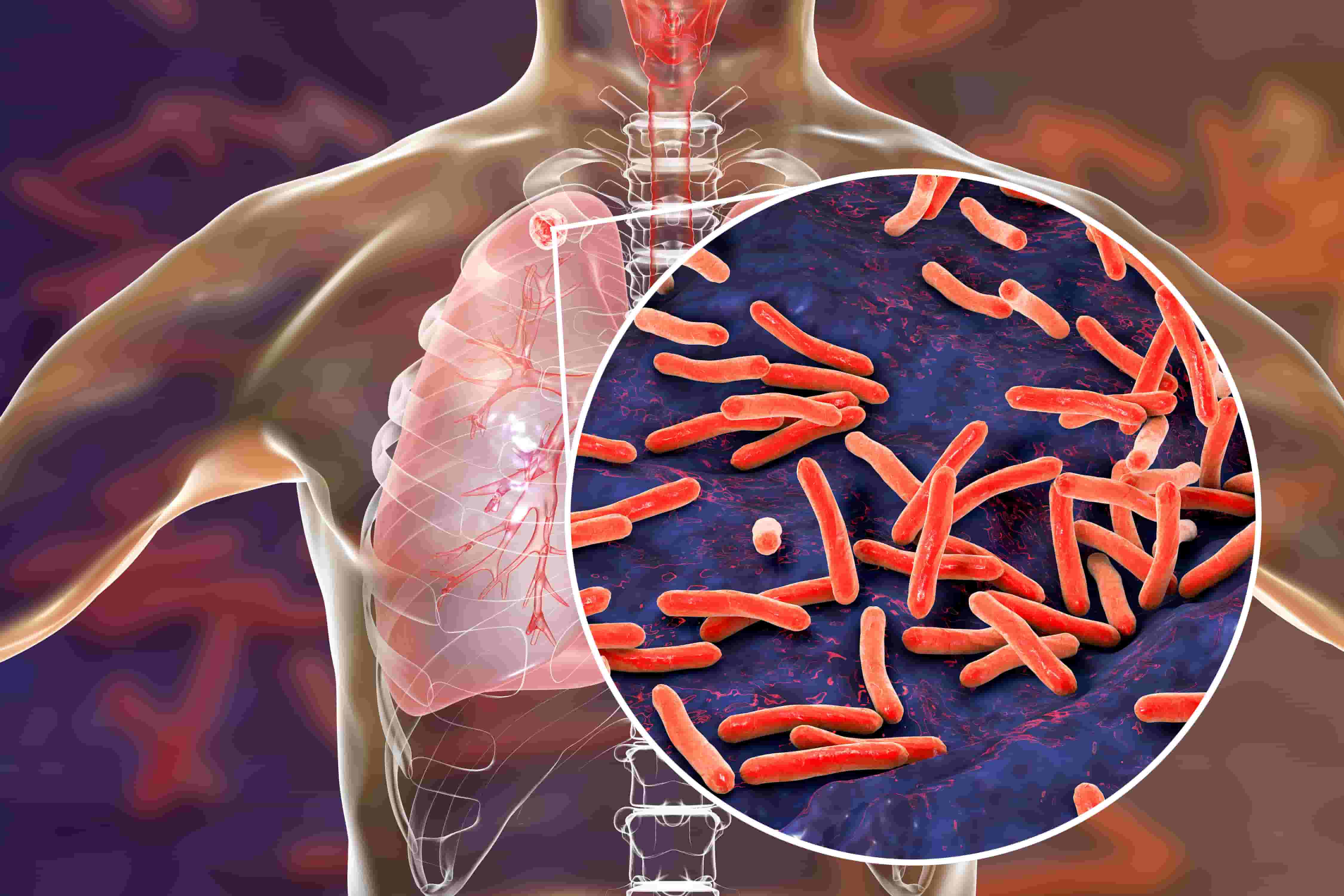
TB is an infectious disease caused by Mycobacterium tuberculosis and is
the leading cause of death worldwide from a single infectious agent. An estimated
1.7 billion people worldwide are infected with M. tuberculosis, 5-15% of whom
will go on to develop the disease within their lifetime. In 2016, there were over over 1.6
million TB deaths (WHO Global TB Report 2017). Multidrug-resistant TB (MDR-TB) is a
persistent threat, with 490,000 cases, and an additional 110,000 cases of rifampicin-resistant
TB (the most effective first line TB drug), in 2016.
Aminospectinomycins
- Novel spectinomycin derivatives with improved potency against Gram-negative
and Gram-positive species, including drug-resistant clinical pathogens. - Demonstrated efficacy in multiple in vivo models.
- Resistance – mutants arise at a very low frequency (10-11).
- No cross-resistance against protein synthesis inhibitors.
- Activity versus drug-resistant pathogens.
STD and biodefense pathogens
Drug-resistant Neisseria gonorrhoeae is classified as an Urgent Threat
Level pathogen by the CDC and as a High Priority Pathogen by the WHO. The
aminospectinomycins have also demonstrated activity against Chlamydia
trachomatis and the biodefense pathogens Burkholderia mallei,
Francisella tularensis and Bacillus anthracis.