
Trans-translation
Broad spectrum G+/G-
Unexploited MOA
Lead Optimization
Trans-translation is a novel antibacterial target
- Bacterial translation is plagued by transcription errors, mRNA damage and
translational frameshifting events that result in non-stop ribosome
complexes, preventing release of protein products and inhibiting further
translation. Recovery of non-stop complexes is a crucial bacterial process
mediated primarily by trans-translation acting on a region of the bacterial
ribosome highly conserved across all sequenced bacterial genomes.

Trans-translation
- Found in >99.9% of sequenced bacterial genomes
- Occurs in an estimated >2% of all translation events
- Requires rescue ~5 times/replication cycle
- Rescue primarily mediated by trans-translation pathway
- Essential in multiple pathogenic species including N. gonorrhoeae
- Backup pathways not universal; often regulated by trans-translation
- Trans-translation gene homologs are not found in metazoans
Trans-translation / Pathogens
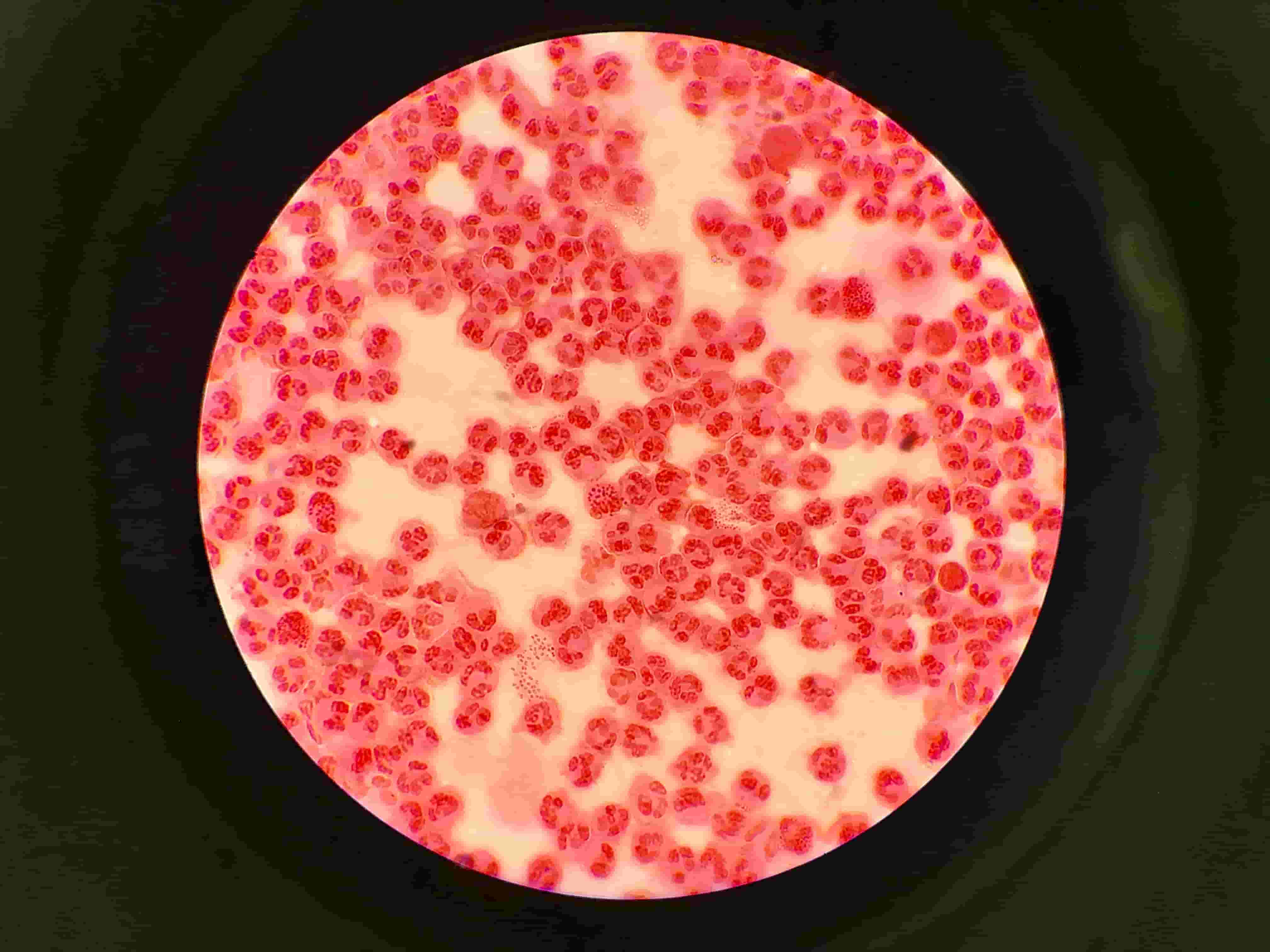
We have demonstrated that our lead compounds inhibit non-stop ribosome rescue,
acting as potent antimicrobials against a range of pathogens, including MRSA
(and all other major CAP pathogens), Neisseria gonorrhoeae (among several
STD pathogens), M. tuberculosis, and Francisella tularensis (among other biodefense
targets). These compounds exhibit minimal toxicity towards mammalian cells,
excellent pharmacokinetics, oral bioavailability, tolerability and antibiotic
activity in multiple in vivo models.